Startups

AeroVect
San Francisco, California, United States (headquarters) · Atlanta, Georgia, United States · New York City, United States · Toronto, Canada · Frankfurt, Germany
AeroVect is an industrial autonomy company developing AI-powered self-driving systems for airport baggage and cargo ground-support equipment. Its issuer identifies the legal company as AeroVect Technologies Inc. at aerovect.com. The AeroVect Driver combines perception, tracking, localization and planning to operate ground vehicles around aircraft, staff and other airside traffic. Its deployment model is OEM-agnostic rather than requiring an airport to replace every tractor with a new vehicle. Product superlatives and safety-performance totals are company claims, not independently established benchmarks. This is applied AI, robotics and industrial deep technology; no neuroscience or medical-device claim is made. The current own company page names co-founders Raymond Wang and Eugenio Donati, a San Francisco headquarters and offices in Atlanta, New York, Toronto and Frankfurt. Wang’s Harvard biography describes computer-science/AI education, prior aircraft-airflow work and the early autonomous baggage-tractor prototype. Harvard’s2023 story says the company launched in2021, while investor Graphene and the2026 founder symposium use2020; no exact legal incorporation day is guessed from that difference. AeroVectRx, the unrelated aerosol-drug-delivery company, and Oman’s AeroVecto are distinct businesses. The genuine published team scope comprises the two founders, Deployment Manager Lyndsay Polycranos, and six explicit issuer/social appointment announcements: engineering leader Spyros/Spyridon Zafeiropoulos, systems lead Stephen Bradford, Atlanta operations General Manager Josh Ayers, Staff Systems Engineer Garrett Stair, Staff Systems Architect Laura Popa and Head of Safety Aaron Botwick, named in full on the official safety page and in the2026 PAVE interview; the older hiring post abbreviated his name as Aaron B. More engineering staff are mentioned in conference posts, but incomplete first names, tagged event attendance and third-party contact directories are not manufactured into exact current employee roles. The company’s unused Forerunner website-template pages show fictitious executives and stock portraits; those are excluded. Actual primary investment evidence includes Xfund’s9January2022 founder interview, Harvard’s2023 identification of Xfund as an early investor, Graphene Ventures’ own2022 Seed portfolio entry, and Future Back Ventures by Bain & Company’s own investment announcement subsequently corroborated by Wang. The exact Xfund round, closing day, security, fund allocation and ticket are undisclosed. Graphene supplies a2022 investment year and Seed stage without a cash amount or exact day. Future Back’s published investment does not establish membership in a specific2024priced round. The CEO’s own late2024 recruiting post independently confirms Series A backing, but supplies no cash amount, closing date or subscribing investors. Secondary databases report roughly USD2million pre-seed, USD7million seed and USD18million SeriesA with conflicting single-day dates and cumulative totals. Those claims remain research gaps until a primary issuer, investor or statutory offering source establishes actual amounts and allocations. Separate amount/date-NULL relationship records preserve the verified institutional backing without converting a publication date, prototype development budget or database total into paid financing. Counterparty profiles for Graphene and Future Back require full enrichment before institutional participation writes; no bare manager or automatic Bain-parent double check is created.
Team
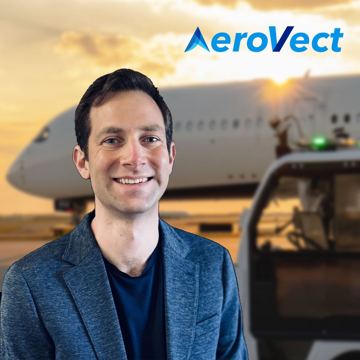 Aaron BotwickHead of Safety Aaron BotwickHead of Safety |
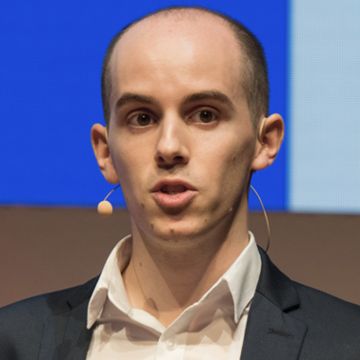 Eugenio DonatiCo-Founder Eugenio DonatiCo-Founder |
Garrett StairStaff Systems Engineer |
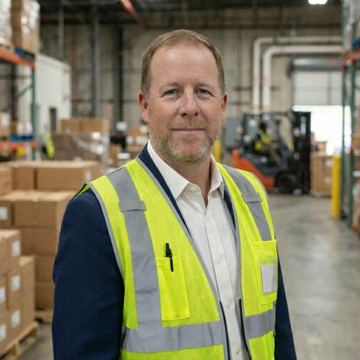 Josh AyersGeneral Manager of Atlanta Operations Josh AyersGeneral Manager of Atlanta Operations |
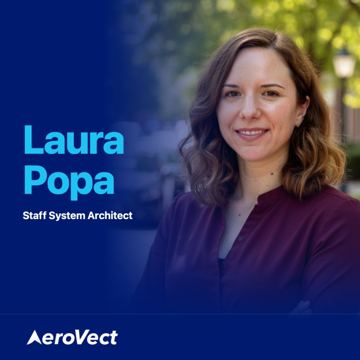 Laura PopaStaff Systems Architect Laura PopaStaff Systems Architect |
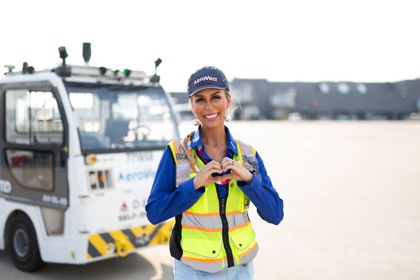 Lyndsay PolycranosDeployment Manager Lyndsay PolycranosDeployment Manager |
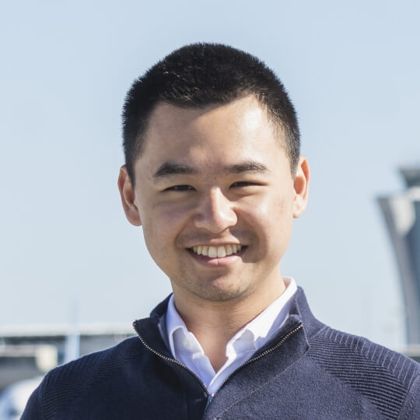 Raymond WangCo-Founder and CEO Raymond WangCo-Founder and CEO |
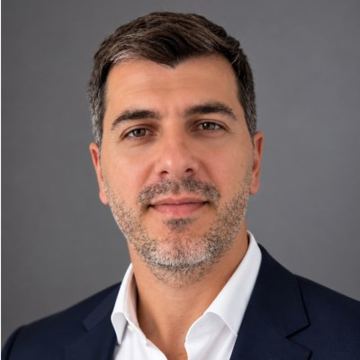 Spyros ZafeiropoulosVP of Engineering Spyros ZafeiropoulosVP of Engineering |
 Stephen BradfordHead of Systems Stephen BradfordHead of Systems |